A mint can make a room-temperature glass of water seem colder. It can turn the last inch of a meal into a clean little ending. It can also divide a candy bowl into people who happily let one dissolve and people who crunch it before the first cool wave arrives. That is a lot of drama for a small disk, pillow, or leaf-shaped sweet.
The trick is that mint does not have to lower a thing's temperature to make it feel cool. A minty candy sends a chemical signal that our sensory system reads alongside temperature. That signal changes the way sweetness, texture, aroma, and even a sip of water seem to arrive. Once you notice the parts, a mint stops being a generic “fresh” flavor and becomes a compact tasting experience with its own tempo.
This is not a guide to turning candy into a remedy. It is a guide to tasting it more interestingly. You will learn why peppermint and spearmint do not read the same way, why a hard mint and a soft mint feel so different, and how to build a tiny, low-pressure mint flight from whatever you have on hand.
The cool feeling is a signal, not a tiny refrigerator
The first useful fact about a mint is also the surprising one: the cooling sensation is a perception. Menthol, a prominent compound in peppermint, can activate a sensory channel called TRPM8. The research paper that first described this channel, “A TRP channel that senses cold stimuli and menthol”, found that the channel responds to both cold temperatures and menthol. In ordinary candy language, that means a mint can borrow part of the message that your mouth normally uses to recognize coolness.
The mint has not necessarily made your mouth or drink colder. It has changed the conversation your senses are having about cold. That distinction makes a familiar experiment make more sense: let a mint dissolve, take a sip of plain water, and notice how sharply cool the sip can seem. The water has not been replaced by a different beverage. The signal that helps you interpret it has changed.
This is why “cool” is a better tasting word than “icy.” Icy describes actual temperature. Cool describes the sensation a mint can create at room temperature. A strong mint may feel bracing; a gentle one may feel clean or bright; a very sweet mint can feel almost creamy before the cooling note opens up. All are valid descriptions because the flavor is doing more than one job.
There is also a useful limit to this idea. A mint is not a lab instrument. The strength you notice depends on the formula, how fast you eat it, what you ate just before it, and your own sensory attention. Rather than asking whether a mint is objectively “the coldest,” ask where the coolness begins, how long it lasts, and what it leaves behind.
Peppermint and spearmint are two different kinds of green
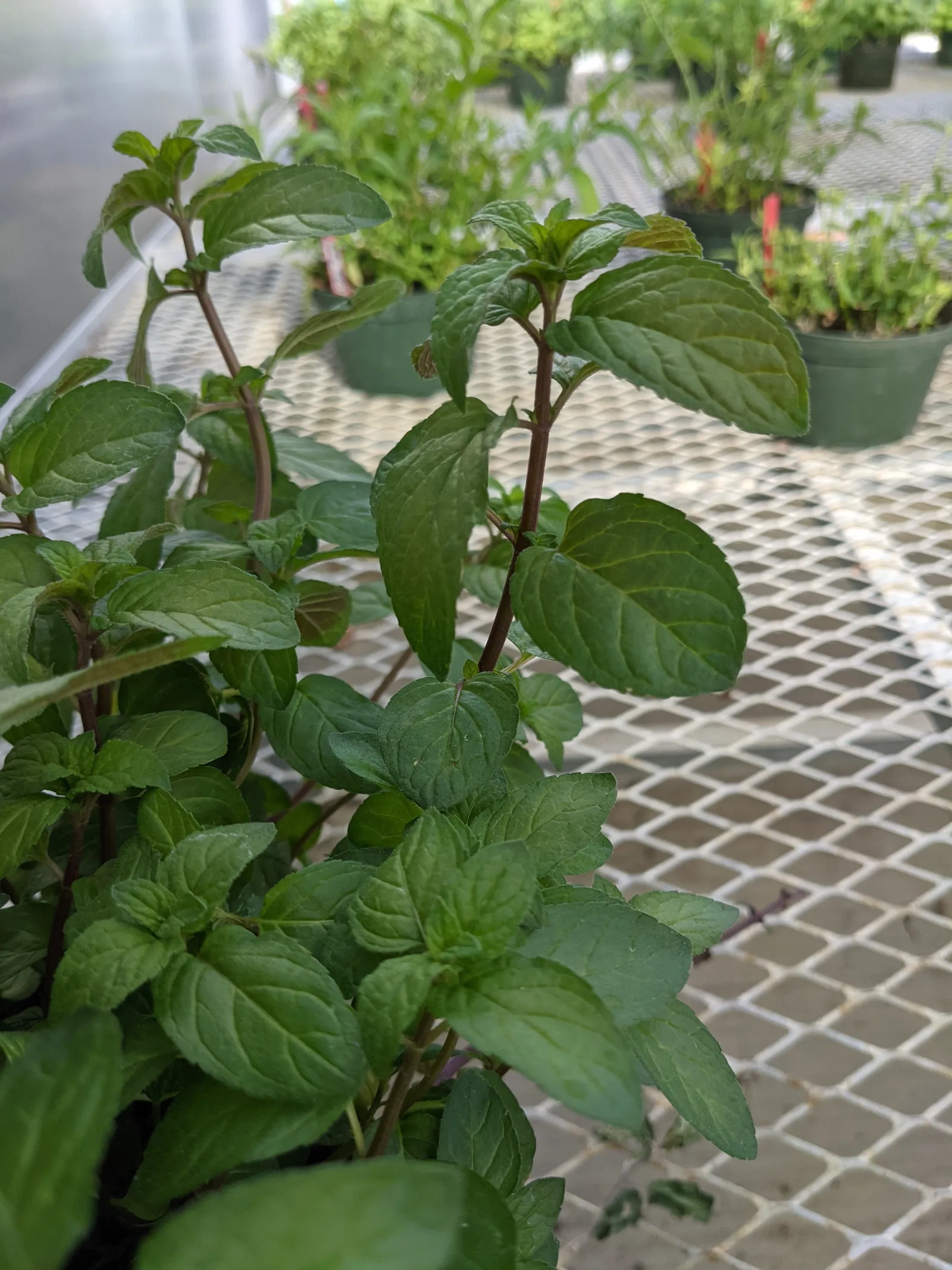
People often say “mint” as if it names one fixed flavor. On a candy label, it is better understood as a family resemblance. Peppermint usually reads sharper, cooler, and more direct. Spearmint tends to read sweeter, greener, and more garden-like. Neither is the superior version. They simply make different first impressions.
The chemistry gives a clue without needing to take over the tasting. PubChem’s menthol-biosynthesis overview describes peppermint as producing menthol-type compounds associated with its cooling impression, while spearmint is characterized by carvone, associated with its familiar spearmint note. The important part for a candy bowl is not memorizing molecule names. It is recognizing that “minty” can mean crisp and cool, soft and sweet, or somewhere between.
Try this small translation guide the next time you have two kinds of mint candy:
- Peppermint often starts with a quick lift through the nose, then sends a cooling feeling across the tongue and cheeks. It can make chocolate, coffee, or rich caramel taste darker by contrast.
- Spearmint often feels rounder and greener. Its sweetness may show up earlier, and its finish can seem more like a crushed leaf than a gust of winter air.
- Wintergreen-style candy can be especially high-toned and aromatic. It may seem sparkling or medicinal to some tasters, which is a description of its powerful aroma, not a judgment.
The labels still matter more than a flavor name. A candy can use natural flavors, extracts, or carefully designed flavor blends. If an ingredient is important to you, look at the exact package. For tasting, however, it is enough to notice whether the mint feels like a cold flash, a green sweetness, or a lingering perfume.
Hard, soft, and chewy mints change the order of the story
The same general flavor can behave very differently depending on the candy's structure. This is why a tiny hard mint, a pressed tablet, a soft after-dinner mint, and a chewy mint candy should not be treated as interchangeable.
A hard mint is a slow-release format. As it dissolves, its surface gets smaller and the flavor changes pace. The first minute may be mostly sugar and aroma. The cooling note can become more noticeable once the candy has had time to sit in the mouth. If you crunch it immediately, you turn that gradual experience into a quick burst and lose much of the shape of the flavor.
A pressed mint has a more powdery, chalky break. Its texture can make the flavor seem fast and dry, with a short cool finish. That is not a defect. The crumbly structure gives it an unmistakably old-fashioned personality: it announces itself, then gets out of the way.
A soft mint puts texture ahead of chill. Butter, cream, or a fat-like richness can make the same family of flavor feel gentler and more rounded. The cool note seems to rise from a soft background rather than arriving at the door first. It is a useful format for someone who enjoys the aroma of mint but finds hard candy too sharp.
A chewy mint keeps you participating. Chewing moves aroma around, releases sweetness more quickly, and gives the cooling note several chances to return. It can feel more like a flavor that develops than a flavor that simply dissolves.
So when someone says, “I do not like mints,” a helpful question is: which texture? They may dislike the powder of a tablet but enjoy a soft mint. They may dislike the sweetness of a creamier piece but love the clean finish of a hard one. Texture is not packaging around flavor; it decides how flavor reaches you.
A better way to taste one mint
Most of us eat mints while walking, talking, driving, or looking for a receipt. There is nothing wrong with that. But a one-minute tasting makes a mint much more legible, and it requires no special equipment. Use one piece, a glass of still water, and a quiet moment.
- Look before you taste. Is the candy glossy, matte, striped, powdered, or stamped? The surface predicts whether it will crack, dissolve, or compress.
- Smell it once. Hold it a short distance from your nose. Is the first note leafy, sweet, sharp, creamy, or almost peppery?
- Let it sit. Put the candy on your tongue and wait a few seconds. Do not bite it yet. Notice whether sweetness or coolness arrives first.
- Move it once. Shift it from one side of your mouth to the other. A hard mint often feels different against the cheeks than at the center of the tongue.
- Take one sip of water. Wait until the mint has begun to dissolve, then taste plain water. Describe the sip as cool, bright, flat, sharp, or something else of your own.
- Name the finish. When the candy is gone, does the flavor fade quickly, hang in the nose, stay on the tongue, or leave a clean space behind?
This little sequence does not make your preferences more correct. It makes them more specific. “Too sweet” and “the cooling note lasts longer than I want” are different observations, and they point toward different mints next time.
Use contrast instead of a pile of flavors
A big mixed bowl can make every candy taste louder and less distinct. Mints are especially good at showing why contrast works better than quantity. Set out one or two mint options with a few quiet companions, rather than pairing them with the sourest, hottest, or most aggressively flavored candy in the house.
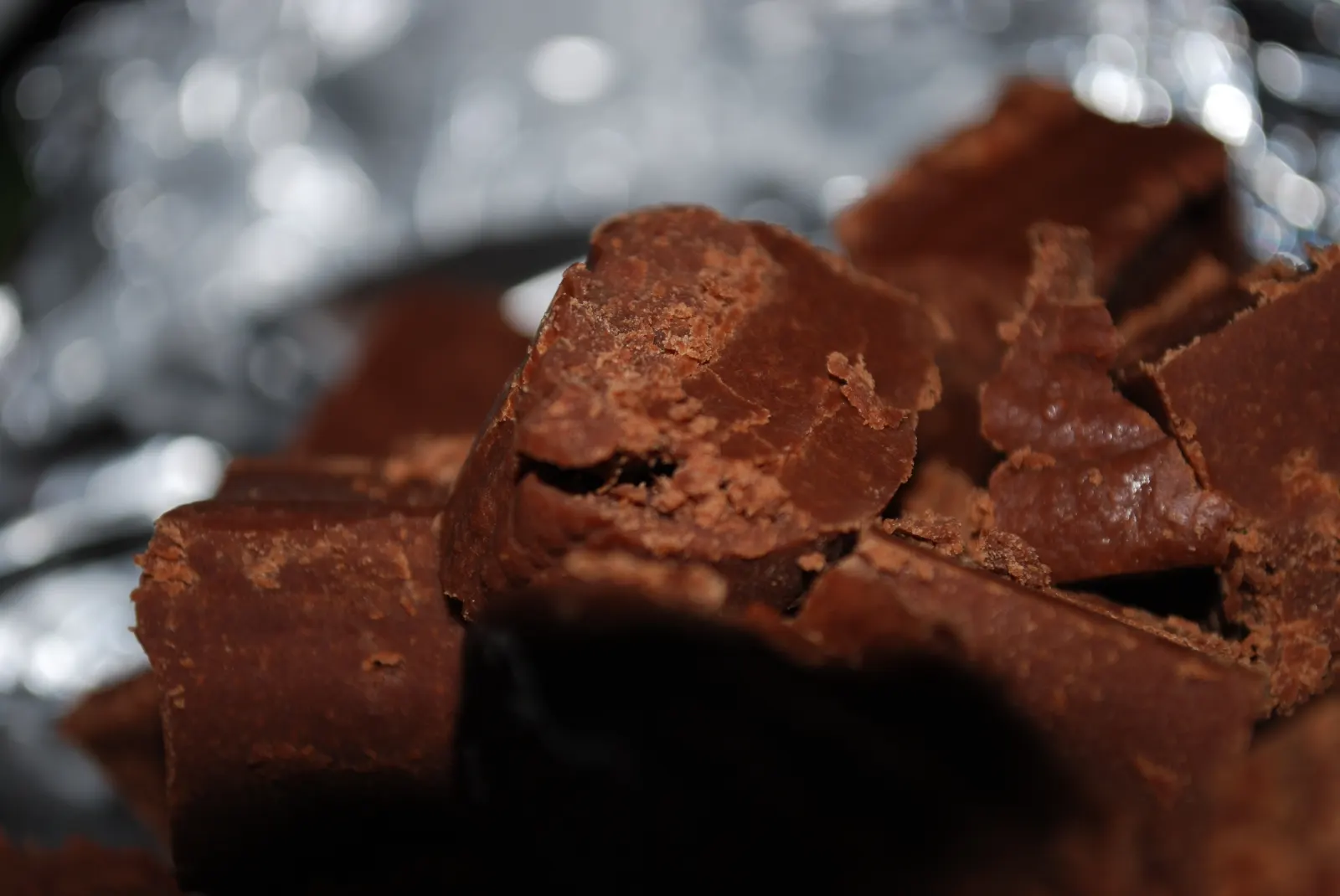
Start with a neutral reset: plain water, an unsalted cracker, or a few unseasoned nuts. Then choose one contrast. Dark chocolate makes peppermint seem colder and more aromatic. A mild fruit candy makes a hard mint seem drier and cleaner. A soft caramel can make spearmint seem greener by comparison. You do not need to eat these at the same time; try a small bite, pause, then return to the mint.
If you are making an after-dinner bowl, set out the mints in a separate small dish instead of scattering them through everything else. The arrangement quietly tells people that these are a distinct flavor moment. For a starting assortment, Pearls Candy & Nuts’ mint aisle is a useful place to browse mint categories and formats. Check the exact product page and package for current ingredients and allergen information before serving anyone else.
The goal is not to make every guest follow a tasting script. It is to give the mint a clear role. A single hard peppermint after something rich can be more satisfying than a handful of unrelated sweets because it creates a deliberate ending instead of adding another layer.
Why water after a mint feels so dramatic
The water experiment is worth repeating because it shows how much of tasting happens between a food and its context. A sip of water after a mint has no new syrup, acid, or carbonation to hide behind. What you notice is the freshness of the water meeting a mouth already primed for a cooling signal.
Try it three ways on another day: water before a mint, water while a mint is still intact, and water after the mint has been dissolving for a minute. The three sips will not seem identical. The difference is not a contest or a promise that every mint will produce the same effect. It is a simple demonstration that sequence changes flavor.
This also explains why mint is often used at the end of a meal. It creates a clear sensory boundary. A strong savory or sweet flavor can linger, and a mint gives the mouth a new, cooler direction. That may feel like a reset even though it is not erasing what you ate. The mint is changing the final note.
There is a useful social version of this, too. Offer mints after dessert in a small bowl with water or tea, not as an obligation and not as an implied judgment about the meal. A mint should feel like punctuation: optional, compact, and satisfying when it suits the sentence.
Build a four-mint flight without making it formal
You can turn a few pieces of candy into a surprisingly entertaining tasting with four roles. The exact brands do not matter. Choose what is available and keep each sample small.
- The clean opener: a plain hard peppermint. Let it dissolve long enough to find the first cool point.
- The green comparison: a spearmint tablet or leaf-shaped candy. Notice whether it seems sweeter or more aromatic than the peppermint.
- The texture switch: a soft mint or chewy mint. Ask whether the cool note comes before or after the texture becomes clear.
- The contrast piece: a small square of dark chocolate or a mild caramel, followed by a return to the first mint.
Between each sample, use water. Do not try to identify ingredients blind or force everyone to agree. The fun is in the small disagreements: one person may call a mint “clean,” another may call it “cold,” and a third may decide it tastes more like a garden than a winter day. Those answers can all describe the same candy honestly.
If you only have one mint, use time as the comparison instead. Taste one piece slowly one day. On the next day, crunch a similar piece and notice what you miss or gain. The candy has not changed; your pace has.
Let the little cool wave do its work
Mints are small examples of a big truth about food: flavor is never only sweetness. A mint carries aroma, texture, timing, and a sensory signal that can make ordinary water feel startlingly cool. Peppermint and spearmint are not interchangeable. A hard disk and a soft pillow are not the same experience. And the best way to find your preference is not by declaring yourself a mint person or a non-mint person after one piece.
The next time you unwrap a mint, give it ten extra seconds. Smell it before you taste it. Let it dissolve long enough to notice the coolness arrive. Take one sip of water. Then decide whether you want another. That is all it takes to turn an automatic afterthought into a tiny, well-made tasting.