Maple candy often arrives in the friendliest possible disguise: a tiny amber leaf, a pale molded maple shape, a wrapped square that looks like it belongs beside a cup of coffee. It is easy to file it under “autumn flavor” and move on. But a good piece of maple candy is more interesting than a seasonal label. It is a different ending for the same ingredient that can become syrup, soft cream, taffy on snow, or a crisp molded sweet.
That is the small magic of maple. The flavor does not need a long ingredient list to feel layered. Depending on how it is concentrated, cooled, or stirred, maple can pour, pull, spread, melt, or break with a clean snap. The change is not a trick of food coloring or a novelty shape. It is the same maple-sugar tradition taking a different route at the finish line.
The next time you see a maple leaf candy, try giving it more attention than a quick bite. It makes an excellent miniature tasting lesson: one familiar flavor, several very different textures, and a useful reminder that “sweet” is never the whole story.
Maple season is not the same as leaf season
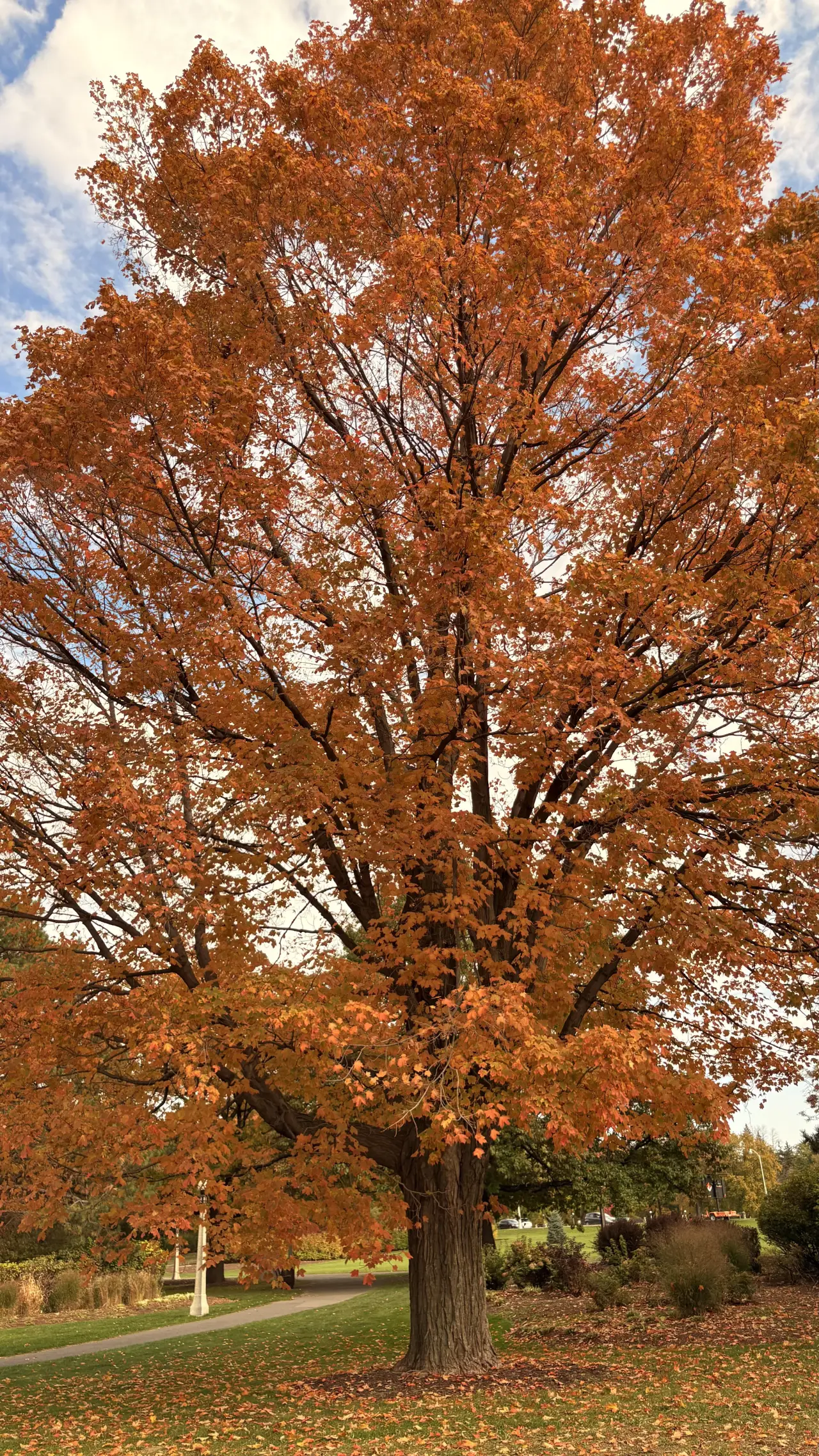
The first surprise is seasonal. Orange leaves and maple candy make an appealing pair, but maple sap is generally collected before the showy foliage of autumn. Maple From Canada’s overview of syrup making describes the process as collecting sap and concentrating it by evaporating water. The work is tied to the changing conditions of late winter and early spring, when the tree’s sap can run.
Autumn still belongs in the emotional picture. A bright maple tree gives people a visual shorthand for the flavor. It suggests woods, cold air, pancakes, and a pantry getting ready for darker evenings. But the sugar itself begins in a quieter season, well before the leaves turn. That mismatch is a useful way to remember that a flavor can carry a landscape without following its calendar exactly.
The journey from tree to sweet also helps explain why maple tastes concentrated rather than merely sugary. Sap begins as a thin, watery liquid. Turning it into syrup means removing a great deal of water. Going beyond syrup toward candy means concentrating it further and managing the finish with care. The general history of maple sugar places that process in a long North American food tradition; the modern candy is a small, portable result of a much larger seasonal practice.
So a maple leaf candy is not just “sugar shaped like a leaf.” It is a concentrated version of a tree’s springtime sap, made legible as a treat.
One ingredient, four endings
The most enjoyable way to understand maple candy is to put it beside its relatives. You do not need a laboratory or a stove to do this. You only need to notice what your tongue and teeth are being asked to do.
1. Maple syrup: the flowing ending
Maple syrup is the familiar benchmark. It pours, spreads, and soaks. Its flavor arrives quickly because it can reach every corner of a pancake, waffle, yogurt, or bowl of oatmeal. The texture is part of the experience: it is glossy, fluid, and willing to mingle with whatever is underneath it.
When someone says that a candy has a “true maple” flavor, syrup is often the reference in their head. But syrup is not the only faithful version. It is simply the least solid one.
2. Maple taffy: the playful ending
Maple taffy on snow takes hot maple syrup and lets the cold surface pull it toward a chewy, winding texture. The familiar Quebec and Canadian sugar-shack tradition is not a different flavor profile; it is a change in texture and temperature. Maple From Canada’s maple-candy recipe guide is a useful reminder that the same pantry staple can move from liquid to more structured sweets through controlled cooking and cooling.
Taffy feels theatrical because the eater participates. It is wrapped, twirled, and lifted. A drizzle has become a ribbon. If syrup is maple at the breakfast table, taffy is maple at an outdoor gathering, where the cold is part of the equipment.
3. Maple cream: the spreading ending
Maple cream, sometimes called maple butter, is neither dairy butter nor ordinary syrup. It is a spreadable maple preparation with a soft, opaque body. The visual difference alone is instructive: syrup looks clear and fluid; cream looks velvety and settled. On toast or a plain cracker, that softer texture slows the flavor down. It sits where you put it instead of rushing outward.
This is a good lesson in expectations. Someone who wants a deep maple flavor may assume they want the darkest-looking syrup. Someone else may discover that what they really want is a smooth, spreading texture that makes the flavor feel quiet and long. Texture changes the pace of tasting.
4. Maple candy: the quiet ending
Molded maple candy is the most compact form of the group. It may look firm, but many good pieces feel soft, fine-grained, or almost melt-away rather than glass-hard. The molded leaf is useful because it tells you the candy has set; it does not tell you whether the bite will be crisp, crumbly, or creamy. That answer arrives only when it meets your teeth.
Unlike a maple-flavored caramel, a simple maple candy does not need chewiness to feel rich. Its pleasure can be brief and direct: a gentle break, a quick dissolve, then a lingering toasted sweetness. A small piece is often enough to show you what concentration can do.
Why the texture changes the flavor you notice
Flavor is not only a list of notes like woody, toasted, buttery, or brown-sugar-like. It is also timing. A syrupy taste can arrive in a rush because the liquid coats the mouth. A firm candy may release its flavor more slowly as it warms. A soft maple cream can sit on a cracker and invite several small bites. The maple is related in each case, but the experience is paced differently.
This is why two people can disagree honestly about whether they “like maple.” One may be thinking of a sticky bottle used too generously at breakfast. Another may be remembering a leaf-shaped candy that dissolved like warm sugar. A third may only like maple when it has a contrast—something salty, nutty, crisp, or toasted nearby.
The best way to resolve that disagreement is not a debate. It is a comparison. Taste two maple forms side by side, then describe the action before the flavor. Did it pour, stretch, spread, crumble, snap, or melt? Once you name the action, you can usually explain the preference.
A five-minute maple tasting that does not need cooking
This is a small observation activity, not a recipe. Choose any two maple forms you can buy ready-made—for example, syrup and a molded maple candy, or maple cream and a maple hard candy. Keep the servings small. The goal is contrast, not volume.
Set out a plain cracker or a small slice of bread, a glass of water, and your two maple samples. Then make four quick notes:
- Look. Is it clear, opaque, glossy, matte, pale, or dark? Color can hint at concentration, but it does not tell the whole story.
- Touch. Does it pour, hold a shape, spread, or resist the spoon? Notice without judging it as better or worse.
- First bite. Does it snap, bend, soften, dissolve, or stick? This is the texture’s first sentence.
- Aftertaste. Does the flavor leave quickly, linger, or change after the sugar has gone? A tiny maple candy can have a surprisingly long finish.
If you want one deliberate contrast, pair the maple sample with a plain toasted nut or a salty cracker. The goal is not to turn maple into trail mix. It is to see what happens when a soft sweetness meets a dry, roasted, or salty neighbor. Often the maple becomes clearer rather than louder.
For a separate hard-candy comparison, Pearls Candy & Nuts’ hard-candy aisle is a useful place to browse other candies built around a slow dissolve and a long finish. It is not a substitute for maple candy; it is a way to notice how another firm sweet uses time and texture differently.
The leaf shape is a clue, not the whole story
Molds are powerful. A maple leaf shape can make a candy feel seasonal before you have tasted it. It connects the sweet to a tree immediately, in the same way a peanut shape signals a peanut candy or a strawberry wrapper signals fruit flavor. But the mold can also hide the best part: two leaf-shaped candies can deliver completely different bites.
Use the shape as an invitation to ask better questions. Is the leaf solid or filled? Is its surface glossy or powdery? Does it break cleanly or yield with a soft crumb? Does the flavor remind you of syrup, toasted sugar, or something closer to caramel? These are not fussy questions. They are the difference between buying a symbol and noticing a confection.
This is especially helpful in gift-giving. Instead of handing someone a bag and saying, “It’s maple,” give them one sentence of anticipation: “Try this one slowly—it is more melt-away than crunchy,” or “This one is like syrup, but it spreads.” A small cue turns a familiar flavor into a shared discovery.
Choose the texture for the moment
Maple does not need to be a one-size-fits-all souvenir. Once you notice the different endings, it becomes easier to choose a form for the occasion rather than choosing only by package design.
For a breakfast table, syrup has the advantage. It belongs with warm, absorbent food and can be shared without ceremony. The fluid texture is useful, not incidental. It reaches edges, fills little pockets, and makes a plain pancake feel finished.
For a slow afternoon snack, maple cream makes more sense. Its soft body asks for something sturdy enough to spread on: toast, a plain biscuit, or a crisp cracker. The pairing creates a gentle contrast between soft sweetness and a dry crunch. Keep the supporting food simple; a strongly seasoned cracker makes it hard to hear the maple.
For a small gift or tasting flight, molded candy works beautifully. Each piece is already portioned, the leaf shape gives the recipient a clue about the source, and the texture rewards a deliberate bite. It is also a good answer when someone says they enjoy maple flavor but do not want another bottle of syrup in the cupboard.
For an outdoor or seasonal outing, maple taffy offers the strongest sense of occasion. Its story includes cold weather, a gathered audience, and a moment of watching a liquid become something you can wind onto a stick. You do not need to make it yourself to enjoy that idea; a sugar-shack visit, a local demonstration, or a story from someone who has one can be enough.
These choices are not rules. They are prompts. If you love the break of a firm maple candy at breakfast, that is a good choice. If a spoonful of maple cream feels more festive than a leaf-shaped sweet, trust that too. The point is that texture gives you options. It lets one ingredient follow the rhythm of the meal, the season, or the person receiving it.
Read a maple label like a curious taster
When a product calls itself maple, start by asking what job the word is doing. Is maple the primary sweetener, a flavor note, a filling, or simply a familiar shape on the package? The ingredient list and the product name together can answer more than the front label alone.
You do not need to rank those answers as pure or impure. A maple-flavored caramel can be delicious; it is just offering a different experience from a molded maple-sugar candy. The useful distinction is expectation. If you hope for a quick melt and a direct maple finish, choose the form designed for that. If you want chew, butteriness, or a long caramel pull, choose a different confection and enjoy it for what it is.
That small habit improves every candy purchase. Read the label, imagine the texture, then take one thoughtful bite before deciding whether a sweet belongs in your regular rotation. Maple is a particularly good teacher because it makes the lesson so visible: one starting point, many endings.
Maple makes a good lesson in attention
Maple candy is modest by design. It is not usually neon, giant, sour, or loud. Its appeal depends on concentration and restraint. That can make it easy to overlook among brighter sweets, but it also makes it a perfect candy for paying attention.
Start with the landscape: a maple tree, a sap run, and a lot of water removed. Move to the forms: syrup, taffy, cream, and candy. Finish with the bite: pour, pull, spread, or melt. The route is simple, but it makes a little leaf-shaped sweet feel much less ordinary.
In the end, maple candy offers an unusually satisfying answer to a basic candy question: what changed? Not the flavoring. Not the marketing. The ending changed. The same maple sweetness was allowed to become something new, and your tongue gets to read the result.