Cinnamon candy has a peculiar superpower. It makes no smoke, contains no chili, and can still feel hot enough to stop a conversation for a moment. A red hard drop, a chewy cinnamon square, and a cinnamon-coated nut may all begin with the same broad idea, yet one feels sweet and woody, another feels like a small spark, and a third seems to warm the whole back of the mouth.
That difference is more interesting than a simple “hot or not” score. Cinnamon is bark before it is a candy flavor. Its aromatic compounds make the nose notice it before the tongue has decided how sweet the candy is. Its pungency arrives differently from pepper heat. And the candy's structure decides whether the flavor flashes, builds, or stays behind after the sugar is gone.
This is a guide to tasting cinnamon candy with a little more precision. It will not tell you which brand wins. Instead, it gives you a way to recognize bark-like, bright, sweet, and fiery notes; to compare hard and chewy formats; and to build a small autumn-friendly tasting without turning a bowl of candy into a dare.
The flavor starts as bark, not powder
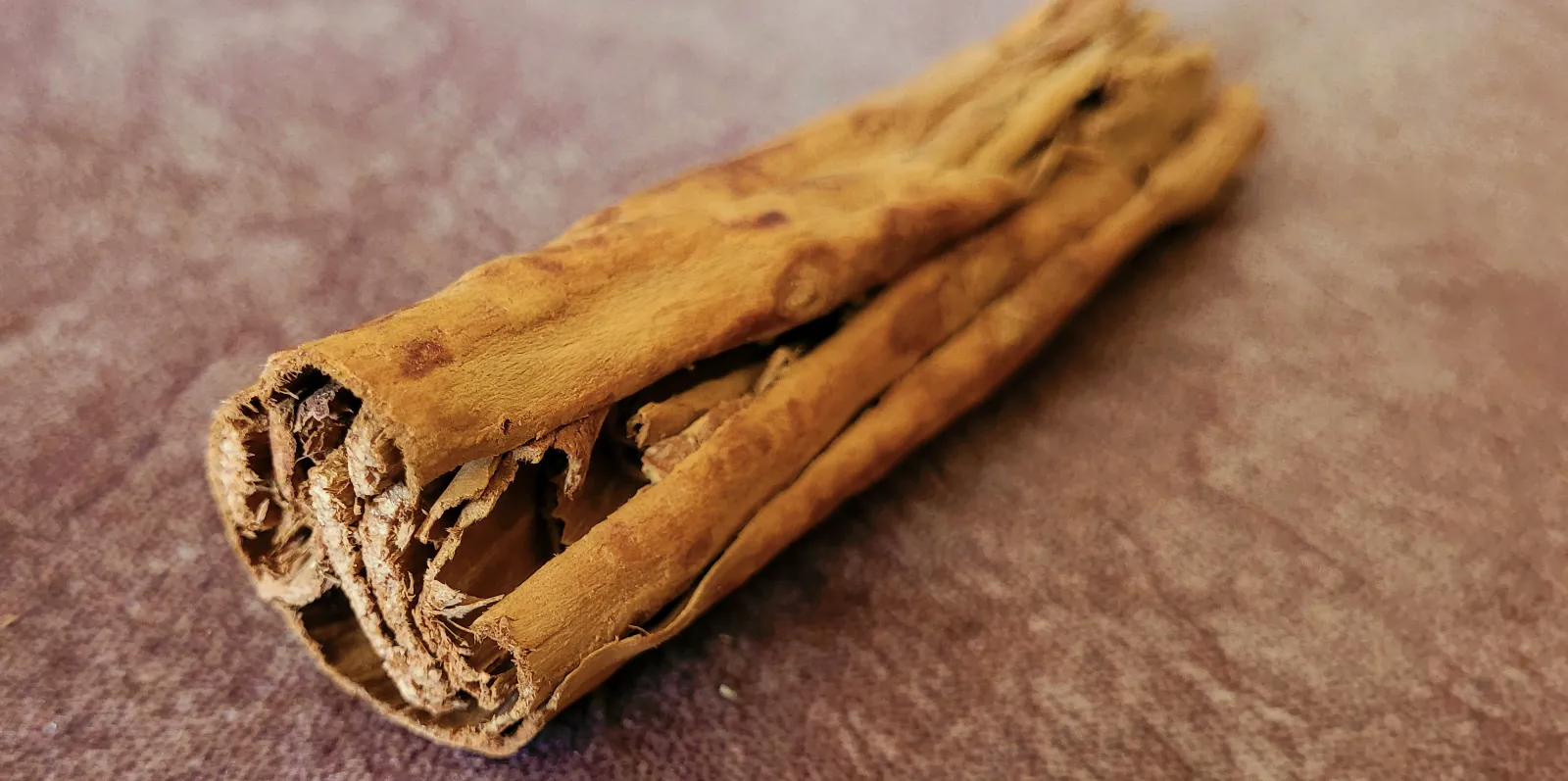
The first surprise is hiding in plain sight: cinnamon is made from the inner bark of trees in the Cinnamomum genus. The rolled tubes in the hero photograph are not a decorative version of a spice jar; they show the plant material that becomes a familiar flavor. When you handle a cinnamon stick, you can see the thin layers that curl as bark dries. Grinding turns those layers into the powder most home cooks know, but a hard candy works with a concentrated flavor impression rather than with the texture of the powder itself.
“Cinnamon” is also not one botanical thing. A USDA Agricultural Research Service publication explains that true cinnamon is the dried inner bark of Cinnamomum verum, while several cassia species are also sold as cinnamon. That does not mean a person needs to identify a tree before enjoying a candy. It does explain why cinnamon can be a broad flavor family rather than one identical note in every product.
For a taster, the practical lesson is simple: do not expect the smell of a fresh cinnamon stick, a bakery roll, and a red candy to match. The first may seem dry, woody, or softly sweet. The second is surrounded by butter, sugar, and toasted flour. The third is designed to be noticed quickly. They share a direction, not a single fixed experience.
Try smelling a cinnamon stick or a small pinch of ground cinnamon before opening a candy. Keep the comparison modest. You are not looking for a perfect match. Ask only whether the candy brings out more of the bark's warm woodiness, more of a sweet perfume, or more of a sharp, high note. That one observation makes the word “cinnamon” much more useful.
The warm spark is not chili heat
When people say a cinnamon candy is “hot,” they are describing a real sensory effect, but it is not the same route as capsaicin from chili peppers. Cinnamon's best-known flavor compound, cinnamaldehyde, is one of the pungent plant compounds that can activate a sensory channel called TRPA1. A foundational PubMed-indexed study found that compounds in cinnamon oil, including cinnamaldehyde, activate TRPA1 in sensory neurons.
In candy language, that helps explain the warm sting or tingle that can rise after the sweetness. A cinnamon candy does not have to contain chili to feel fiery. The sensation is part aroma, part flavor, and part sensory signal. It is usually quicker and more perfume-like than the slow, deep burn of a chile candy.
That is why it helps to separate three experiences that often get lumped together:
- Sweetness is the sugar or sweetener arriving on the tongue.
- Aroma is the fragrant, woody, sometimes floral impression that rises through the nose while you taste.
- Pungency is the warm spark or tickle that makes the candy seem spicy.
One piece may lead with sugar and finish with a gentle perfume. Another may seem quiet at first and then become bright enough to make your eyes widen. Neither is “more cinnamon” in every sense. They are putting different parts of the experience in front.
If you are tasting with children or with anyone who prefers mild flavors, do not frame the strongest cinnamon piece as a challenge. Start with a very small sample, have water nearby, and let the person choose whether to continue. Cinnamon candy is most fun when it feels like discovery, not endurance.
Why red is part of the expectation
Many people expect cinnamon candy to be red before they have even tasted it. That color is a design decision, not a property of the bark. Real cinnamon ranges through tan and brown, as the photograph shows. Red tells the brain to anticipate intensity, sweetness, or a quick spark. It sets a flavor expectation before the wrapper is fully open.
This can make a useful blind tasting. Put two small cinnamon candies in separate unmarked cups, if their shapes are similar enough to avoid giving away the answer. Taste one at a time. Notice which seems stronger before you know its color. Then look. You may find that the color changed your expectation more than the actual flavor did.
The point is not to prove that color never matters. It clearly changes the experience of a candy. The point is to give the nose and tongue a turn before the eyes make a prediction. Cinnamon is especially good for this exercise because its aroma can be assertive even when its color is ordinary.
Hard candy makes cinnamon arrive in chapters
A hard cinnamon drop is a slow format with a fast personality. It dissolves over several minutes, but the flavor can feel immediate. The surface meets saliva first, a sweet layer begins to melt, and then the cinnamon note can travel upward through the nose. As the piece gets smaller, the balance changes again.
Resist the urge to crunch the first one. Let it sit for ten or fifteen seconds and ask a few quiet questions:
- Does the first impression feel like sugar, bark, or a bright aromatic flash?
- When does the warmth appear: immediately, after a minute, or only when you move the candy around?
- Does the finish stay on the tongue, in the nose, or at the back of the mouth?
There is no correct answer. A hard candy is a useful format because it gives you time to notice the sequence. A cinnamon hard drop that seems simple when crushed may show a surprisingly soft, woody beginning when allowed to dissolve.
Hard candy also gives you control over pacing. You can pause, take a sip of water, or set the piece aside. That makes it a better starting point for an intense flavor than a handful of small, quickly eaten pieces. One candy can be a whole tasting if you give it enough time.
Chewy candy puts texture in the foreground
A chewy cinnamon candy tells the story in a different order. Chewing releases flavor quickly and repeatedly. Instead of one dissolving surface, you get bursts of aroma with each bite. The warmth may feel more integrated with the sugar because the candy is moving and changing shape at the same time.
This is why two equally cinnamon-forward candies can seem worlds apart. A firm chew may feel bolder because you are actively working it. A soft caramel-like piece may feel rounder because fat or dairy-like notes cushion the spice. A jelly or gummy format can make cinnamon seem fruitier or brighter even when the central flavor remains warm and bark-like.
If you are comparing formats, use one hard candy and one chew, not four things at once. Taste the hard piece first. Reset with water. Then take a small bite of the chew and notice what appears earlier: the cinnamon aroma, the sugar, or the texture. By keeping the comparison narrow, you will learn more than you would from a giant mixed bowl.
Build an autumn tasting around contrast, not excess
Cinnamon loves contrast. The goal is not to pile every warm flavor onto a plate. It is to give the candy a few quiet companions that make its character clearer.
Start with a plain element such as water, an unsalted cracker, or a few unseasoned nuts. Then choose one partner from another direction:
- Dark chocolate can make cinnamon feel brighter and less sugary by comparison.
- A mild apple slice can make the bark note feel warmer and more familiar without adding another candy's intensity.
- A plain roasted almond can highlight a cinnamon candy's toasted, woody side.
- A gentle caramel can show how much of cinnamon's impact comes from its aromatic lift rather than sweetness alone.
Use small portions. Taste the companion first, pause, then return to the cinnamon piece. Avoid mixing several strong spices, sour candies, and cinnamon all at once. A very sour candy can flatten the subtle woody part of cinnamon; a hot-pepper candy can turn the comparison into a heat contest. The best contrast leaves room for the bark to be recognizable.
If you are assembling a small seasonal bowl, Pearls Candy & Nuts’ hard-candy aisle is a starting point for browsing formats. Use the exact product page and package for current ingredient and allergen information, especially when serving a group. The useful role of a cinnamon candy in the bowl is not merely “the red one.” It is the warm, aromatic counterpoint to fruit, chocolate, and creamy sweets.
A two-minute cinnamon map
You do not need a formal tasting kit. Use one cinnamon candy, a glass of water, and a small note on your phone or a scrap of paper. Write three words as you go.
First, smell the unopened candy or wrapper. Pick one word: woody, sweet, bright, bakery-like, or sharp. Then taste it slowly. Pick a second word for the middle: warm, tingly, smooth, dry, or bold. Finally, after a sip of water, pick a third word for the finish: quick, lingering, clean, perfumey, or spicy.
The three words are not a grade. They are a map. On another day, repeat the exercise with a different cinnamon candy. You may find that you enjoy a woody, lingering hard candy more than a bright, spicy chew—or the opposite. The value is in discovering the shape of your own preference.
This method works particularly well in October, when cinnamon gets folded into every baked good and seasonal display. Candy gives you a clean way to focus on the spice itself. Without frosting, pastry, or a dozen other flavors, the bark has to do more of the talking.
The difference between “cinnamon” and a cinnamon story
The spice's long trip from tree bark to pantry has made it a familiar flavor across many foods and places. Historical records also show how much value and attention cinnamon and cassia received as traded botanical materials. The Smithsonian's collection record for Cinnamomum cassia preserves a bark specimen collected from China for the 1876 Philadelphia Centennial, a small museum object that makes the ingredient's material reality visible.
That does not give one candy a single universal origin story. Cinnamon candies are made in different styles, and a label is still the honest guide to an exact product. But the museum object is a useful reminder of where the flavor begins: not as a red flavor cue, not as a holiday slogan, but as bark from an aromatic tree.
When you taste a cinnamon candy with that in mind, the experience gets a little deeper. The red color can be playful. The spark can be exciting. Yet underneath is a dry, curling, fragrant material that had a story before it met sugar.
Let the warmth be specific
Cinnamon candy earns its place in a bowl because it is not just sweet. It can be woody, bright, fragrant, warm, tingly, or soft, depending on the format and the formula. Hard candy lets the flavor unfold in chapters. A chew gives it movement. A small contrast with chocolate, apple, or an unsalted nut can turn a single piece into a complete tasting.
The next time a red cinnamon candy appears in an autumn mix, do not toss it into the general category of “spicy.” Let it dissolve for a moment. Smell the finish. Decide whether the sensation feels like bark, sugar, aroma, or a small bright spark. That little bit of attention is enough to make cinnamon feel less like a seasonal default and more like the unusual, lively flavor it is.