Most candy names are marketing, metaphor, or a clue to flavor. Marshmallow is different. It is the name of a real flowering plant: Althaea officinalis, often called marsh mallow. The puffy white treat in a bag does not look much like the tall plant with pale flowers and soft green leaves, yet the connection is real. Long before marshmallow became a campfire staple, people used the plant’s root in a sweet preparation.
That small botanical fact changes the way the candy reads. A marshmallow is not simply “fluffy candy.” It is a name that has traveled from wet-ground plant to handmade sweet, from a labor-intensive French confection to a familiar mass-produced snack. Along the way, its ingredients changed almost completely, while the name stayed put.
This is not a recipe for wild plants or a claim that a bag of marshmallows is secretly a vegetable. It is a closer look at one of candy’s best surviving names: what it originally described, why the modern treat still feels related, and how to turn that knowledge into a tiny table-side museum of your own.
Meet the plant behind the name
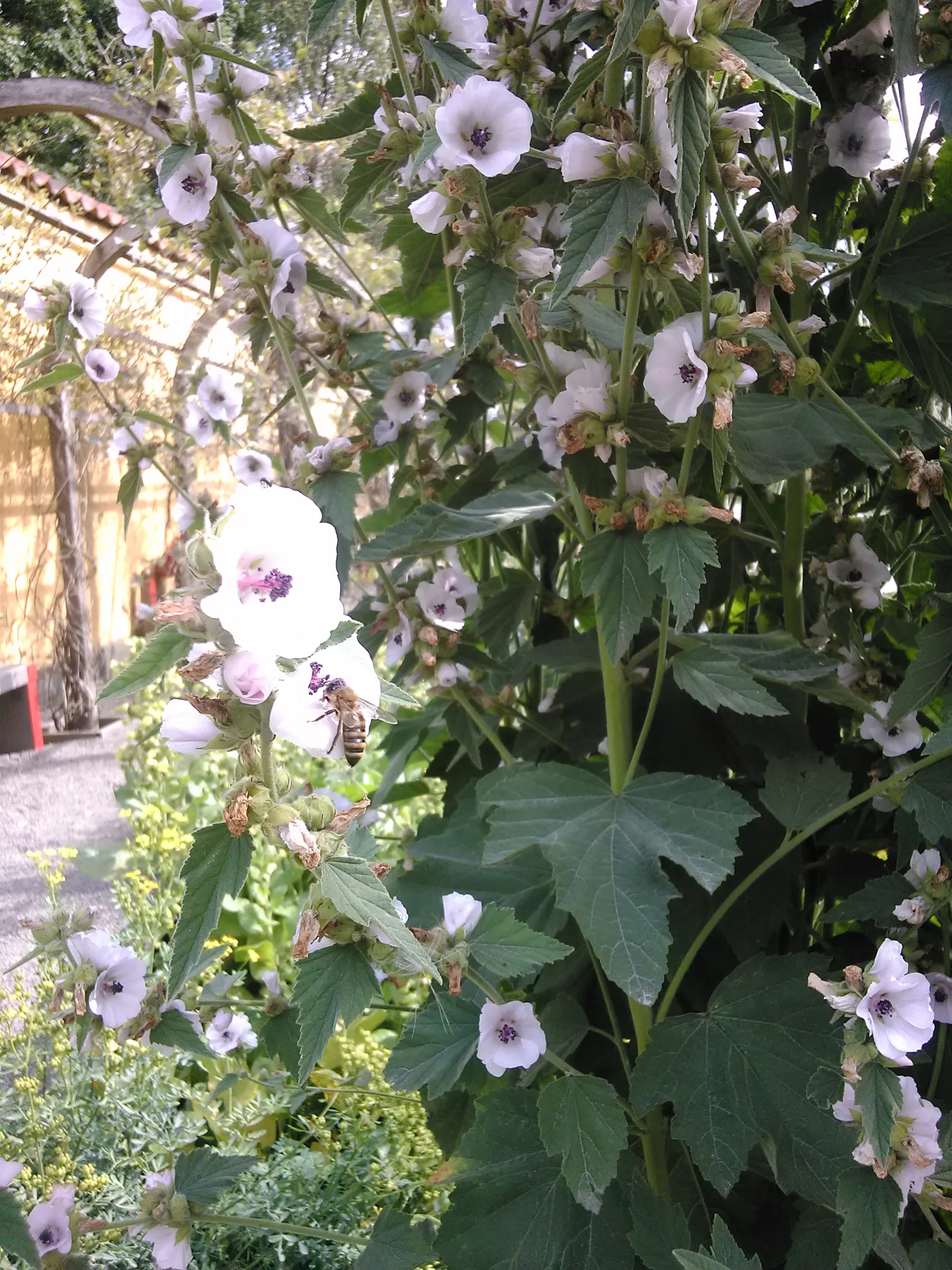
European marsh mallow, Althaea officinalis, is a perennial plant with softly colored flowers. The Smithsonian Environmental Research Center’s species profile describes it as native from the Mediterranean to southern Scandinavia and identifies the sugary, mucilaginous material in its root as the original source of the confection’s name. “Mucilaginous” sounds unappetizing until you think of it as a plant-made thickener: a slippery, gel-like quality that people noticed long before modern confectionery machinery.
The plant’s common name gives a small landscape clue. Marsh mallow is associated with wet ground, although that does not mean every pinkish mallow flower near water is the same species. The Smithsonian profile specifically distinguishes A. officinalis from similar-looking mallows in the Chesapeake region. That is a useful reminder for a candy-history article: a charming origin does not turn a garden plant into a do-it-yourself ingredient.
Keep the plant and the candy in two separate mental boxes. The plant is botany. The packaged sweet is food made to a modern recipe. Looking at a photograph, a herbarium label, or a botanical-garden specimen is a wonderful way to understand the first box. Harvesting or tasting an unidentified plant is not. The surprise is already complete without turning it into a foraging project.
What makes the connection memorable is the contrast. A modern marshmallow is pale, regular, and usually cylindrical or miniature. The plant is leafy, branching, and flowered. One is designed to be easy to share; the other belongs to a living landscape. The name is the thread that lets you see them as part of the same long story.
A sweet that began with a root
Marshmallow history is often told in a single leap: ancient Egyptians, then campfires. The middle is where the story gets good. The Smithsonian’s history of the confection explains that marshmallow is a plant and describes the modern candy as a mid-nineteenth-century French invention that sat between a medicinal lozenge and a bonbon. Early confectioners combined the plant’s gummy root juice with eggs and sugar, then beat the mixture into a foam.
The ancient connection should be handled with care. It is not evidence that people in antiquity were roasting identical cylindrical sweets over fires. It is evidence that the plant’s root was prepared and sweetened, and that the idea of a soft sweet made from it has a deep history. The Smithsonian’s account of s’mores similarly traces the name to marsh mallow and says that the plant root was boiled, strained, sweetened, and sometimes enjoyed as a treat.
French confectioners made the transition more visible. Once the root’s texture was paired with sugar and whipped ingredients, the result could become a soft, airy sweet rather than a simple herbal preparation. It was still slow work. Each piece had to be poured and molded by hand, which made the confection a special treat instead of an everyday penny purchase.
This is one reason the word “marshmallow” carries so much atmosphere. It belongs to a period when candy was often a crafted object: boiled, beaten, shaped, dried, and sold as something more elaborate than a handful of sugar. The modern bag is convenient, but the name remembers the older labor.
When the plant left the recipe
The most important change was practical. Plant extract was eventually replaced with gelatin, which could create the familiar pillowy texture with far less labor. The Smithsonian notes that the substitute was more available and made the process quicker. That is not a footnote; it is the turn that allowed marshmallows to move from a specialty confection toward a widely available candy.
By the mid-nineteenth century, production had become mechanized enough that marshmallows appeared among penny-candy selections, according to the Smithsonian’s s’mores history. The candy’s scale changed, but its central appeal remained. A marshmallow is still a small piece of edible foam: light in the hand, soft under pressure, and easy to eat one at a time.
Modern ingredient lists vary by brand and format, so a package is the best source for any specific product. As a general description, the Smithsonian identifies today’s familiar campfire marshmallow as a whipped confection made mainly from sugar or corn syrup, water, and gelatin, with cornstarch. The plant root is no longer the standard ingredient. That is why it is more accurate to say that modern marshmallows inherited a name and an idea from marsh mallow, rather than claiming they are made from the garden plant.
There is something satisfying about that honest split. The name is historical, not deceptive. English is full of food names that outlive their original production method. Here, the surviving word offers a map back to a root, a flower, and a different kind of confectioner’s work.
Read the package like an archivist
A candy package can do more than tell you what to buy. It can show you which part of a long history is still active. Begin with the product name. “Marshmallow” is the historical layer: a word inherited from a plant. Then look at the ingredient list. That is the current layer: the real, present-day recipe for the item in your hand. Finally, look at the format. A large roasting marshmallow, a miniature baking marshmallow, and a marshmallow cream may all share a family resemblance while using different proportions or processing.
This three-part reading prevents a common mistake in food history. A historical name is not a promise that an old ingredient remains in every modern version. The reverse mistake is also unhelpful: a changed recipe does not erase the old name’s meaning. Both facts can be true at once. The item in the bag is a modern confection, and its name preserves the trace of an older plant-based sweet.
Try writing one line for each layer on the second card in the two-object museum: name, ingredients, and form. If you do this with more than one package, keep the statements modest. You are comparing the labels you can see, not making a universal claim about every marshmallow on the market. That small discipline turns casual candy reading into sound observation.
It also makes room for appreciation without turning the past into a purity contest. Handmade is not automatically better; industrial is not automatically lesser. Mechanization made a once labor-intensive confection available to many more people. The point of the history is not to reject the modern marshmallow. It is to understand why a very ordinary bag still carries an extraordinary name.
Why the modern version still feels related
If the plant has left the formula, why does the name still make sense? Texture is the answer. The early sweet depended on a plant root with a thick, sticky quality. The modern sweet depends on whipping a sugar mixture into a soft foam and setting it into a stable form. Those are not identical processes, but both point toward the same sensory destination: a confection that is yielding rather than brittle, cushioned rather than crystalline.
Try pressing an unopened marshmallow gently between two fingers. It springs back a little. A hard candy would not; it would stay rigid. A caramel might flatten more slowly. That small comparison is a better way to understand “pillowy” than a thousand product descriptions. Marshmallow texture is a structure you can feel before you take a bite.
The surface matters, too. A typical marshmallow is dry enough to pick up because its outside has been finished to prevent pieces from sticking together. Its inside is soft and aerated. That contrast—quiet exterior, springy center—helps explain why it behaves so differently in hot cocoa, baking, roasting, or an ordinary candy dish. The same small item can dissolve, toast, melt, or hold its shape for a surprising amount of time, depending on what you ask it to do.
None of this requires you to label marshmallow “healthy,” natural, or nostalgic. Those are broad marketing words, and they obscure the more interesting truth. It is a carefully made candy with a real botanical ancestor and a very different modern manufacturing path.
Make a two-object candy museum
The most useful way to enjoy this story is to make it visible. You need one current package of plain marshmallows, a phone or printed copy of a properly identified marsh mallow photograph, a sheet of paper, and five calm minutes. Do not use a plant from a yard or trail; the photograph is the specimen for this activity.
Start by making two cards. Title the first The plant and write: “Althaea officinalis, commonly called marsh mallow.” Add the picture and one verified fact, such as “The root helped give marshmallow its name.” Title the second The candy and copy only the product name and ingredient list from the package you actually have. Do not assume that every brand uses the same formula.
Then compare the two objects with these prompts:
- What stayed? The name stayed. The idea of a soft, sweet confection stayed.
- What changed? The visible form, the ingredients, and the way the item is made changed.
- What can you observe safely? Look at the flower shape and leaves in the photograph; look at the candy’s size, surface, and springiness while it remains wrapped or cleanly handled.
- What should you not infer? A plant photograph does not identify plants in the wild, and a candy name does not tell you an exact ingredient list.
- What is the best caption? Try: “A candy name that remembers a plant.”
This works with children, guests, or one curious adult because it turns an abstract fact into two things that are easy to see. It also gives the candy a context that is not merely “eat more.” The package becomes evidence of a modern food; the photograph becomes evidence of an older name.
If you want one more texture reference, Pearls Candy & Nuts’ chewy-and-taffy aisle is a useful place to choose a contrasting chewy candy. Read its package, set out one small piece beside the marshmallow, and describe the difference without declaring a winner. One may stretch or resist; the marshmallow will compress and rebound. That is a tiny lesson in how candy-making methods create texture.
A better question for the campfire
Marshmallows are often treated as the least complicated part of a campfire treat: white, sweet, ready to toast. But the name gives you a better conversation starter than “How many can you eat?” Ask instead: “What did this word mean before it meant a bag of candy?” The answer carries you from a wet-ground plant to an ancient sweetened root, through French confectionery, to industrial production and a modern snack aisle.
That is an unusually large journey for such a small object. It also makes the present version more interesting, not less. A modern marshmallow does not need to contain plant root to have a meaningful history. Its lightness, tidy shape, and easy shareability are the result of a different set of techniques—ones that made the candy accessible to many more people.
The next time you see a marshmallow, notice the name before you notice the sugar. It is a small botanical souvenir hiding in plain sight: a word that still carries a flower, a root, and a long record of people trying to turn texture into a treat.