There are foods that belong to a place so completely that they seem to arrive with the ticket. At a ballpark, a hot dog has heat and mustard. Popcorn has smell. But peanuts have something slightly different: they make a small occupation of the game. You crack a shell, decide where the shells should go, watch a pitch, take another peanut, and keep going. The snack supplies its own little rhythm between innings.
That rhythm is older than many people assume. Peanuts were not simply chosen because they were cheap, crunchy, or easy to carry. Their place at the ballgame grew through street vending, early stadium concessions, a caramel-coated popcorn-and-peanut treat, and one extraordinarily durable song. The story is useful because it explains why certain snacks feel made for watching: they are portable, shareable, forgiving of pauses, and interesting enough that you do not need a large portion to notice them.
This is an invitation to borrow that logic for a game at home, a playoff watch party, or a quiet afternoon with a scorecard. It is not a rule that you must eat peanuts at baseball, or that every snack table needs a theme. A good ballpark-style tasting is simply a way to give a few familiar things a little more character.
Before the seventh-inning stretch, peanuts were a street food
The peanut had a long route to the grandstand. The U.S. Department of Agriculture’s food-composition documentation makes one useful botanical distinction: peanuts are legumes, not tree nuts. That fact does not change what a bag of roasted peanuts feels like in the hand, but it does hint at why the food has its own history rather than simply being another orchard crop.
Before the Civil War, peanuts were grown in the United States on a much smaller scale than they would be later. In its account of the crop’s wartime role, Smithsonian magazine notes that Virginia and North Carolina were the principal producers and that the food was often viewed as fit for livestock or for people with little money. During the war, scarcity made peanuts more visible as food. Afterward, roasting and street selling helped make them familiar in cities and at public gatherings.
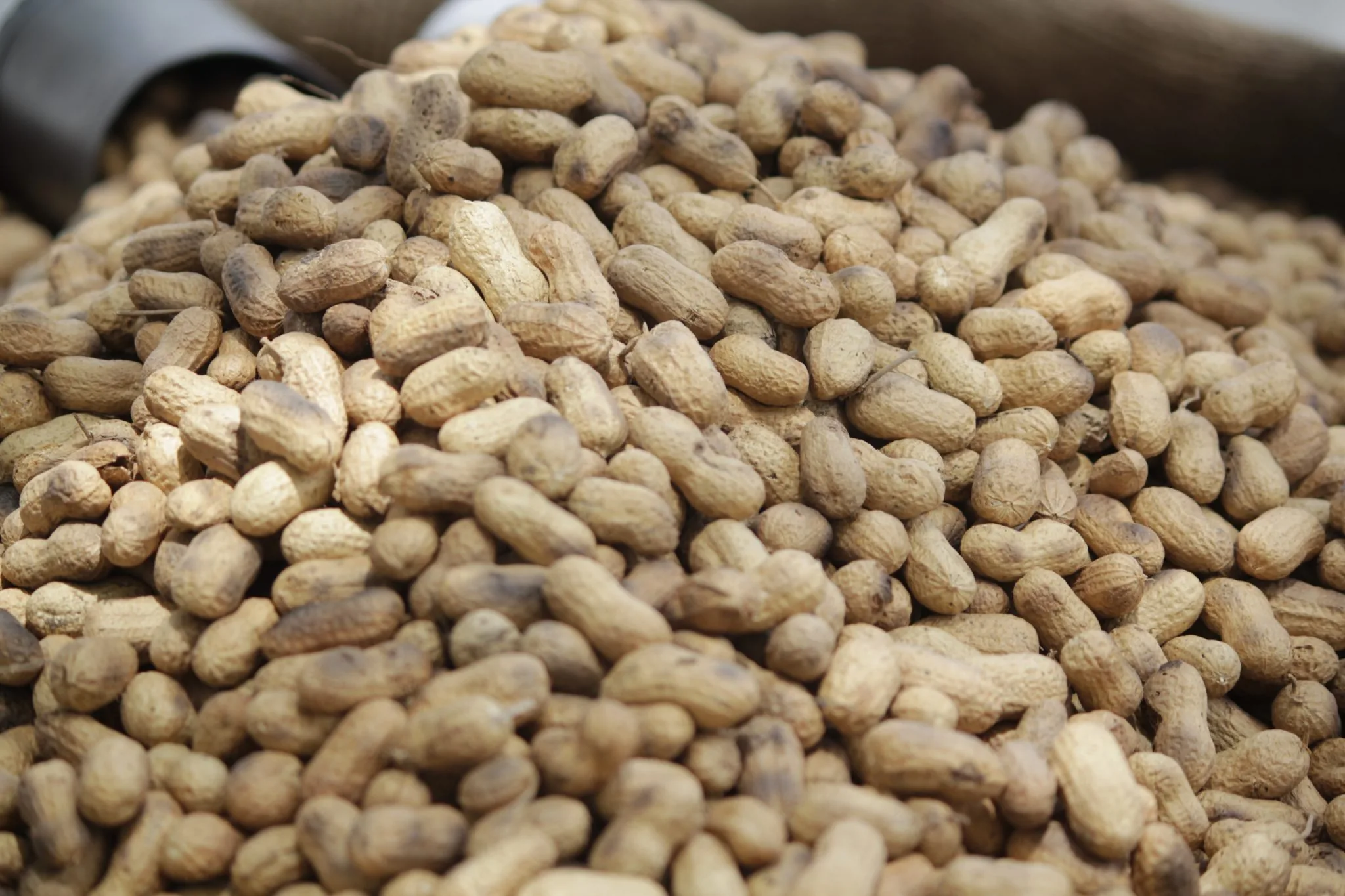
That last setting matters. A street snack has to make sense while a person is standing, walking, talking, or waiting. It cannot demand a knife and fork. It should not be ruined if the action starts before the bag is empty. Peanuts meet that test neatly. Their shells keep the kernel protected until the last moment, while the cracking makes one small bite take longer than its size suggests.
Baseball offered an unusually good home for that kind of food. A game gives people stretches of attention rather than one uninterrupted sitting. There is time to chat while a pitcher works. There are pauses after a foul ball, a mound visit, or a change of innings. A snack that can be picked up, set down, and resumed does not compete with the event. It fits into its gaps.
The shell also makes the snack public in a very particular way. A wrapped candy can be quietly unwrapped and gone. A peanut shell leaves a tiny record of participation. That is part of the old ballpark image, even if modern stadium policies and cleanup practices mean a person should always use the receptacle or tray provided rather than tossing shells around. The point is not the mess. It is the pace: crack, eat, watch, repeat.
The concession stand made the association durable
Food at a ballgame did not become a tradition by accident. Vendors and concessionaires solved a practical problem: spectators wanted something they could eat without giving up the action. The National Baseball Hall of Fame’s history of Harry M. Stevens describes him as a pioneer of sports concessions and preserves the language used about his business: baseball crowds wanted hot dogs, peanuts, and bottled drinks because they could eat and drink while watching.
Stevens is sometimes attached to origin stories that deserve a little caution—food history loves a neat “first” claim. The stronger lesson from the Hall’s account is not that one person invented every ballpark habit. It is that concession businesses learned to design around the fan’s seat. Peanuts could be sold in a small portion, carried easily, and eaten one at a time. They did not require a plate, a server returning to the row, or a long interruption when the batter stepped in.
That is still a helpful test for watch-party food. A spectacular snack can be a poor game snack if it needs immediate assembly or gives everyone sauce-covered fingers. The best options make room for the game. They work in a small cup or paper bag. They have a clear texture. They can wait through a tense at-bat without becoming sad or unrecognizable.
Peanuts also had a social advantage. A bag can be passed down a row without becoming a shared utensil. At home, individual bowls, cups, or paper cones make the same idea easier and more hygienic for a group. If you are serving people with food allergies or dietary restrictions, keep original packaging available, label the bowls clearly, use separate serving tools, and never assume a peanut can be swapped for another nut without checking the person’s needs. A ballpark ritual is supposed to be easygoing; no one should have to guess what is in the snack.
Cracker Jack made the snack into a story
The peanut’s connection to baseball became more vivid when it met popcorn and molasses. The National Park Service’s account of the 1893 World’s Columbian Exposition identifies Cracker Jack popcorn as a fair-era introduction and notes the famous combination of popcorn and peanuts. The snack was built for contrast: light popcorn, crunchy peanuts, and a sweet coating that brought the parts together.
Its exact origin is more complicated than a tidy legend. Smithsonian magazine’s history of Cracker Jack explains that accounts assign the idea to different Chicago candy figures, but that Frederick Rueckheim made molasses-coated popcorn and peanuts into a lasting business. The story includes practical innovations, too: a rotating method intended to prevent clumping and wax-sealed packaging intended to help keep the product fresh. That is a useful reminder that an iconic snack is often both a flavor idea and a packaging idea.
The mix also gives us a better way to think about “sweet and salty.” It is not just two flavors placed in the same bowl. A good mix creates turns. The popcorn is airy and quick. A peanut is dense and deliberate. The coating arrives first, then the roasted note catches up. Your attention moves around, which is exactly what a game snack needs to do.
For a home version, resist the urge to make one giant, overstuffed mix. Start with two or three components that have different jobs. Roasted peanuts can be the anchor. Plain popcorn or a crisp cereal can give lift. One small candy or caramelized element can supply a bright finish. Serve them in separate small cups first, then let people decide whether to combine them. It keeps the tasting from becoming a single beige pile and gives everyone a way to discover the pair they actually like.
If you make popcorn at home, keep it simple and follow the preparation directions for the equipment you use. Let hot popcorn cool enough to handle before adding chocolate or other melt-prone sweets. Keep hot syrup work and young helpers apart. Those are unglamorous details, but they preserve the point of the snack: you should be watching the game, not managing a kitchen emergency.
A 1908 song turned a snack into shorthand
The line that welded this food to baseball did not begin as a concession advertisement. The Library of Congress holds the 1908 sheet music for “Take Me Out to the Ball Game”, credited to lyricist Jack Norworth and composer Albert Von Tilzer. Its chorus asks for “peanuts and Cracker Jack,” a short phrase that has outlived countless product signs, stadium renovations, and rule changes.
The song’s original point of view is more surprising than the usual singalong suggests. The Baseball Hall of Fame’s account explains that its character, Katie Casey, knows the players and wants to go to the game rather than a show. It also notes an odd piece of history: neither Norworth nor Von Tilzer had attended a baseball game when they wrote the song. The anthem of the experience was imagined before its writers had witnessed the experience themselves.
That may be why the food reference works so well. It is not a technical description of baseball. It is a compact picture of belonging: crowd, game, snack, repeat. The phrase gives the listener something to hold while the rest of the chorus supplies movement and noise. In a few words, it makes the ballpark feel like a place where spectators take part rather than merely observe.
Cracker Jack’s history shows how much power the song carried. Smithsonian reports that the 1908 hit formed a durable connection between the product and baseball; later, prizes in boxes expanded the snack’s appeal. The prize is not the point of this article, and modern boxes need not reproduce it. But the underlying design is worth noticing: a snack becomes memorable when it gives people an extra small thing to anticipate. Sometimes that is a toy. At home, it can be a question, a scorecard, or a “wild-card” candy that each guest gets to try only in the seventh inning.
Build a ballpark tasting, not a snack mountain
A ballpark tasting works best for two to six people, although it can easily scale up. The goal is to create a few distinct moments over the course of a game, not to set out enough food for an entire season. Use small dishes, one ingredient label per dish, and a water pitcher or other simple drink. Then give each item a clear role.
Here is a reliable five-part lineup:
- The leadoff crunch: roasted peanuts, sunflower seeds, or another crisp, savory item. This should be the simplest flavor on the table.
- The light hitter: plain popcorn, a small pretzel, or a crisp cereal. It gives the palate a reset between sweeter bites.
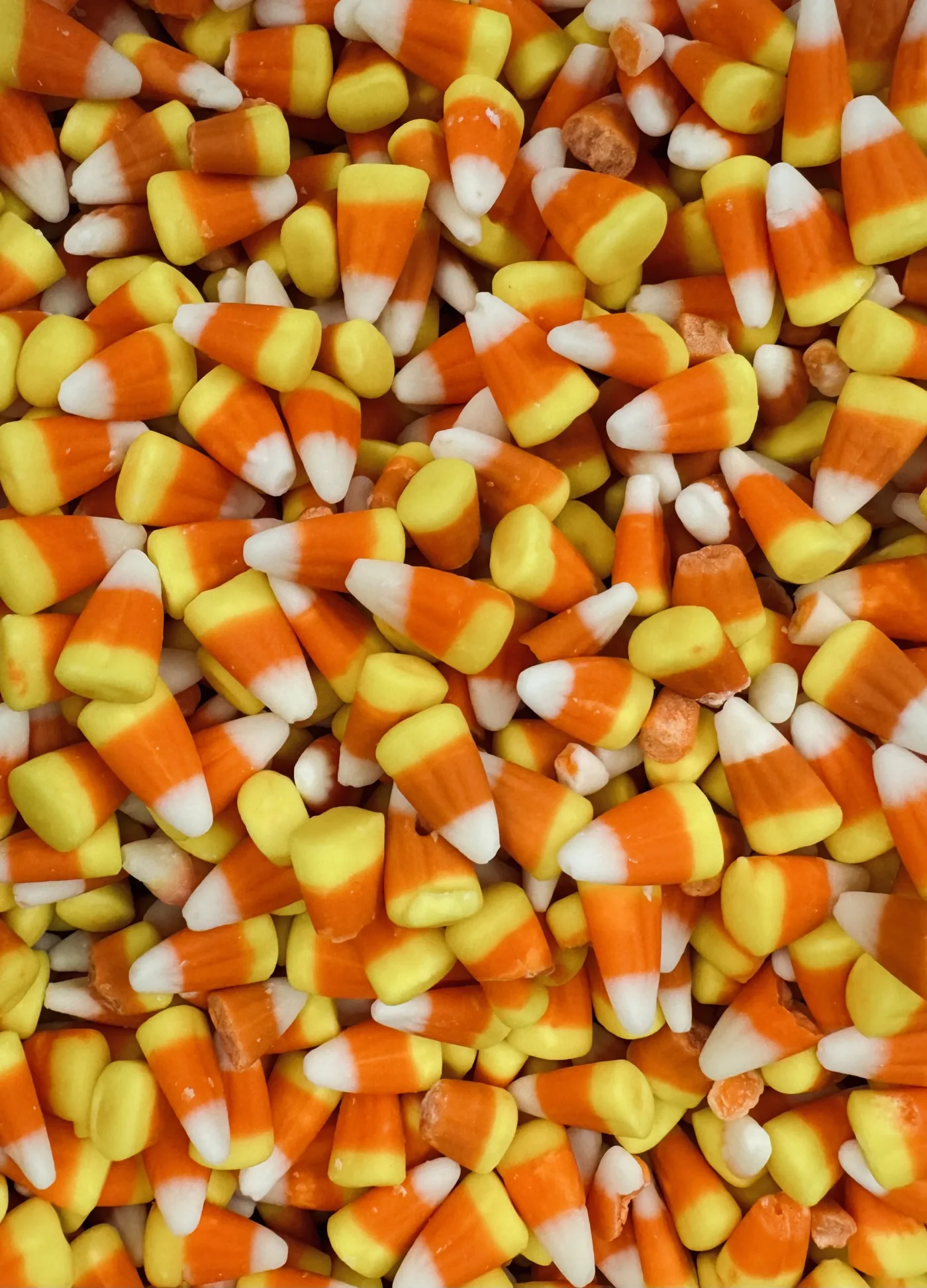
- The sweet spot: one small candy with a clean flavor, such as a fruit chew, hard candy, or chocolate-covered piece. Choose one, not five competing sweets.
- The surprise call: something with an unexpected texture or gentle spice. It should be interesting, not a punishment.
- The extra-inning return: the item people may repeat after the ninth. Keep this one covered until late in the game, so it feels like a choice rather than an obligation.
Put a card next to each dish with a descriptive word instead of an instruction. “Roasted,” “airy,” “bright,” “chewy,” and “crisp” give people vocabulary without telling them what verdict to reach. Ask one question at the end of an inning: Which snack got better after the last one? Which texture worked with the crowd noise? Which one would you not buy alone but enjoyed here? These are small questions, but they create conversation without asking anyone to perform expertise.
The scoreboard itself can structure the tasting. Try the crunch at the first pitch. Open the sweet element in the third inning. Bring out the surprise during the seventh-inning stretch. Save the repeat item for the final two innings. If the game ends early or goes long, the schedule is not a problem; it is only a prompt. The best part of the format is that it leaves room for the game to set the tempo.
Let the ingredients stay themselves
There is a temptation to cover every snack in a coating, toss everything into a seasoned mix, or create names that make ordinary food sound like a promotion. A tasting is more enjoyable when the parts remain legible. A peanut should still taste roasted. A popcorn piece should still have its own fragile crunch. A fruit candy should still be able to taste bright after something savory.
That is also the easiest way to serve a mixed group. Keep the components separate until each person chooses to combine them. Use clean scoops or tongs where appropriate. Keep nut-containing items away from other dishes, and do not call a snack “safe” for anyone unless you have verified it against their requirements and the product label. This is not fussy hosting. It is the practical side of making the table welcoming.
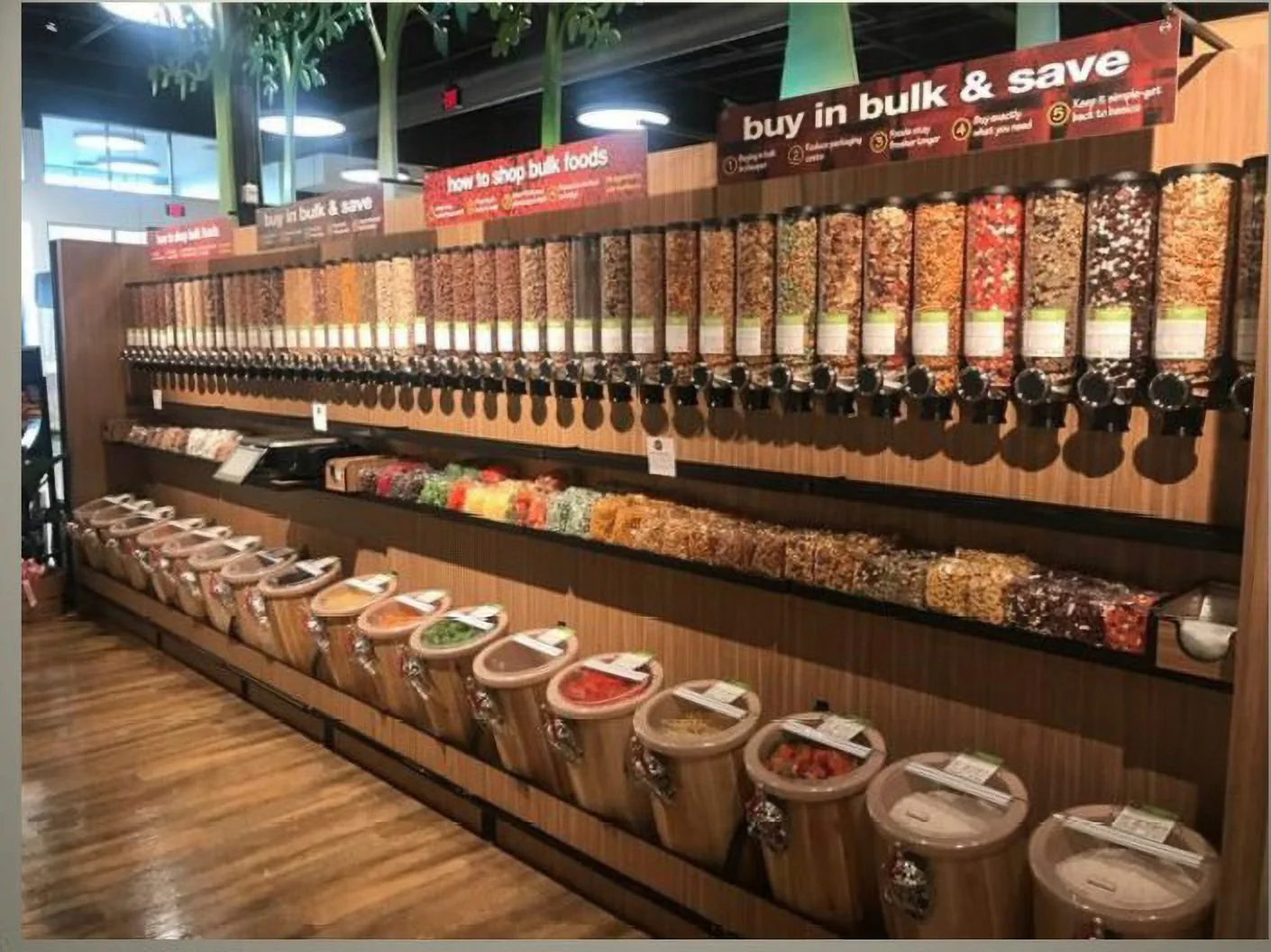
For the peanut anchor, Pearls Candy & Nuts’ nuts aisle currently includes options such as honey-roasted peanuts and roasted, unsalted jumbo peanuts alongside other nuts and snack items. Choose the plainest version when you want the comparison to focus on roast and crunch; choose a sweeter or spicier one only when it is meant to be the surprise call. The important part is not buying an exact lineup. It is giving every item a job.
One ordinary bowl is enough for a solo game, too. Put a few peanuts or another snack in it, add one candy you do not eat every day, and keep the rest in the kitchen. That small boundary prevents the snack from becoming background blur. When the bowl is empty, you can decide whether the game—and your appetite—actually call for another round.
The little ritual is the real souvenir
Peanuts became a baseball snack because they were practical, but practicality alone does not create a tradition. The shell, the pause, the vendor call, the popcorn-and-peanut combination, and the song all gave people a repeatable way to participate. A small snack could mark the moment between what happened last inning and what might happen next.
You do not need a stadium seat to have that feeling. Pick one crunch, one sweet note, and one unexpected element. Keep the portions small enough that you can notice them. Let the game supply the pauses. If the last out comes before the last peanut, that is fine. The point was never to finish a bag. It was to make watching feel a little more like being there.